

Why Am I So Irritable Before My Period?
Your partner asks an innocent question and you snap before you can stop yourself. Your kid leaves a cup on the counter and it feels like a personal attack. You catch yourself thinking things about people you love that you'd never say out loud — and then, a few days later, your period starts and you feel like yourself again, wondering what on earth happened.
If that cycle sounds familiar, you're not a worse version of yourself for one to two weeks a month. You're living with a hormonal pattern that has a name, a mechanism, and real ways to work with it — rather than white-knuckling through it and apologizing afterward.
The Hormonal Root of Premenstrual Irritability
In the luteal phase — the one to two weeks before your period — progesterone rises and then drops sharply, and serotonin, a key mood-stabilizing neurotransmitter, often dips right along with it. That combination lowers your tolerance for stress and turns ordinary frustrations into things that feel enormous, sudden, and disproportionate to what's actually happening in front of you.
Is This Normal PMS, or Something More?
Mild irritability before your period is common. But when it consistently disrupts relationships, work, or your sense of who you are — or when it tips into rage, hopelessness, or panic — it may point toward PMDD (premenstrual dysphoric disorder), a hormone-sensitivity condition that goes well beyond typical PMS and deserves to be taken seriously, not brushed off as "just hormones."
Helpful questions to ask yourself:
Does this happen at roughly the same point in my cycle, month after month?
Does it resolve within a few days of my period starting?
Am I saying or doing things in this window that I regret once it passes?
Does it feel bigger than I can explain to the people around me, even to myself?
The Shame Spiral That Often Follows
For a lot of women, the irritability itself isn't even the hardest part — it's what comes after. The guilt of snapping at your kids. The dread of apologizing again. The quiet fear that you're becoming someone you don't recognize, or that people are keeping score. That shame spiral can be just as exhausting as the irritability itself, and it rarely gets better by trying harder to control your temper in the moment.
Working With Your Cycle, Not Against It
Once the pattern is named, you can plan around it — building in extra rest during the luteal window, adjusting expectations of yourself, communicating with the people close to you about what's coming, and using specific tools during that stretch instead of being blindsided by it every single month. This isn't about excusing harm to others; it's about understanding the mechanism well enough to actually interrupt it.
If premenstrual irritability has been straining your relationships or your peace of mind, hormonal mental health therapy can help you build a plan around your cycle instead of feeling at its mercy.
Disclaimer note: Standard informational disclaimer — educational content, not a substitute for individualized clinical or medical evaluation.

Intrusive Thoughts in Postpartum Motherhood
You're standing at the top of the stairs with your baby in your arms, and out of nowhere: what if I dropped her? You're driving over an overpass and a flash crosses your mind of the car swerving. You're holding the kitchen knife to cut an apple and a thought about your baby flickers through, gone as fast as it came, leaving you gripping the counter, heart pounding, disgusted with yourself.
If a moment like that has happened to you, the first thing you need to hear is this: having the thought does not mean you want it, and it does not mean you're a danger to your baby. It means your brain, wired on high alert to protect a completely helpless new person, is doing exactly what postpartum brains do — just in a way nobody warned you about.
What Intrusive Thoughts Actually Are
Intrusive thoughts are unwanted, involuntary thoughts that show up uninvited, often around the worst possible scenario your mind can generate. In the postpartum period, they tend to center on harm coming to the baby — from an accident, or, more distressingly, from the parent's own hands. Research suggests the vast majority of new parents experience some version of this. The thought arriving is not a decision. It's noise thrown up by a nervous system working overtime.
Why the Postpartum Brain Is Prone to This
Sleep deprivation lowers your threshold for distressing thoughts to feel enormous. Hormonal shifts affect the parts of the brain involved in threat-detection and emotional regulation. And the protective instinct that comes online after birth is, by design, hyper-attuned to danger — which means your brain is now scanning for every conceivable way your baby could be hurt, including scenarios that involve you. The distress you feel about the thought is actually the tell: people who might act on a harmful thought typically don't feel horrified by it. Your horror is your attachment talking, not a warning sign about your character.
A Common Thought vs. a Sign to Reach Out
It helps to know where the line generally sits:
Common intrusive thought: unwanted, causes real distress, you have zero desire to act on it, and it passes even if it circles back
Sign to seek support: the thought comes with an urge to act, a frightening sense of losing control, compulsive behaviors to "prevent" it (avoiding stairs, hiding knives), or thoughts you find yourself dwelling on rather than being able to push away
Why So Many Mothers Carry This in Silence
Most new parents never say this thought out loud — not to their partner, not to their doctor, not to their closest friend. The fear is almost always the same: if I say it, someone will think I'm dangerous, or they'll take my baby. That fear keeps an enormously common experience locked inside, where shame has room to grow and convince you that you're the only one, that something is fundamentally wrong with you. Neither of those things is true.
You Don't Have to White-Knuckle This Alone
A therapist trained in postpartum mental health has heard this before — more times than you'd guess — and knows how to help you separate the thought from your identity as a mother. Therapy gives you a place to say the unsayable without flinching, to understand why your brain is doing this, and to build tools so the thoughts stop running the show.
If intrusive thoughts have been weighing on you in silence, postpartum depression therapy is a space where you can say it out loud and be met with understanding, not alarm.
Some more posts to support you “I Love My Baby Why Am I Struggling?” and "The Mental Load of Motherhood."
Disclaimer note: Standard informational disclaimer. If a thought includes intent or a plan to act, this post should direct the reader to immediate professional or crisis support rather than framing it as a common experience.

Who Needs a Surrogacy Evaluation?
If you’re new to the surrogacy process, it’s natural to wonder exactly who needs to complete a mental health evaluation — and whether that includes you.
The Short Answer
In most surrogacy arrangements, a mental health evaluation is required for:
• Gestational surrogates — nearly universally required by agencies, clinics, and often by state law
• Intended parents — required by most agencies and increasingly by fertility clinics as part of the overall screening process
• Surrogates’ partners or spouses, in many cases — since the surrogacy journey affects the whole household, not just the surrogate herself
Requirements vary depending on your agency, your fertility clinic, and the state where the arrangement is taking place, so it’s worth confirming the specific requirements for your situation early in the process.
Why Surrogates Need an Evaluation
For a gestational surrogate, the evaluation exists to assess psychological readiness for the physical and emotional realities of carrying a pregnancy for someone else — including the process of relinquishment after birth. It also helps confirm that a surrogate has a strong support system and realistic expectations going into the arrangement, which protects her wellbeing throughout the pregnancy.
Why Intended Parents Need an Evaluation
For intended parents, the evaluation looks different. It typically explores the emotional path that led to pursuing surrogacy — which often includes grief around infertility or loss — along with expectations for the surrogacy relationship, coping resources, and readiness to navigate a nontraditional path to parenthood. This isn’t about qualifying as “worthy” of becoming a parent; it’s about making sure you’re entering the process with support and clarity.
What If You’re Unsure Whether You Need One
If you’re early in exploring surrogacy — whether as a potential surrogate or as someone considering intended parenthood — understanding what the evaluation actually involves can make the requirement feel far less intimidating. It’s designed to support you, not to create an obstacle.
Getting Started
If you know an evaluation is required for your specific situation, working with a therapist who has direct experience with surrogacy evaluations can make the process smoother and more personalized to your role in the journey.
Tálor Hawkins provides surrogacy mental health evaluations for surrogates, intended parents, and their partners. If you’re beginning this process, book a free consultation to find out what’s required for your situation.

Does EMDR Really Work? What the Research Says
EMDR (Eye Movement Desensitization and Reprocessing) can sound unusual the first time you hear about it — eye movements, as part of therapy? It’s a fair question to ask whether it actually works, or whether it’s just an unconventional-sounding trend.
Here’s what the evidence actually shows.
What the Research Says
EMDR has been studied extensively since it was developed in the late 1980s, and it’s now recognized as an effective, evidence-based treatment for trauma by major health organizations, including the World Health Organization and the American Psychological Association. Multiple randomized controlled trials have found EMDR to be as effective as trauma-focused cognitive behavioral therapy for PTSD — and in some studies, effective in fewer sessions.
Research has specifically supported EMDR’s effectiveness for:
• Post-traumatic stress disorder (PTSD)
• Birth trauma and medical trauma
• Anxiety disorders
• Grief and complicated loss
• Single-incident and complex trauma
Why It Works: The Theory Behind It
The leading explanation for how EMDR works involves how traumatic memories get stored in the brain. Under normal circumstances, memories get processed and filed away as “past.” Traumatic memories often don’t go through that process fully — they stay stored in a way that keeps the nervous system reacting as though the danger is still present.
EMDR uses bilateral stimulation (commonly eye movements, though tapping or sound can also be used) while you briefly focus on a difficult memory. This appears to help the brain reprocess the memory more completely, so it can be stored as something that happened in the past rather than something still being relived.
What Sessions Actually Look Like
EMDR isn’t about talking through every detail of what happened, over and over. Sessions are structured, and much of the work happens somewhat quietly, with your therapist guiding the process and checking in regularly. Many clients are surprised by how different it feels from the trauma-narrative-heavy therapy they expected.
Is It Right for You?
EMDR tends to be especially effective for people who’ve had trouble finding relief through talk therapy alone, or for whom a specific memory or event still feels emotionally “stuck,” even years later. This includes difficult births and birth-related medical trauma, where the memory of a delivery can continue to trigger anxiety or distress long after the physical recovery is complete.
If you’ve been curious about EMDR but weren’t sure whether the research backed it up — it does, and consistently so.
Tálor Hawkins specializes in EMDR therapy for trauma, anxiety, and birth-related trauma. If you’re considering EMDR, book a free consultation to see whether it’s a good fit for what you’re working through.
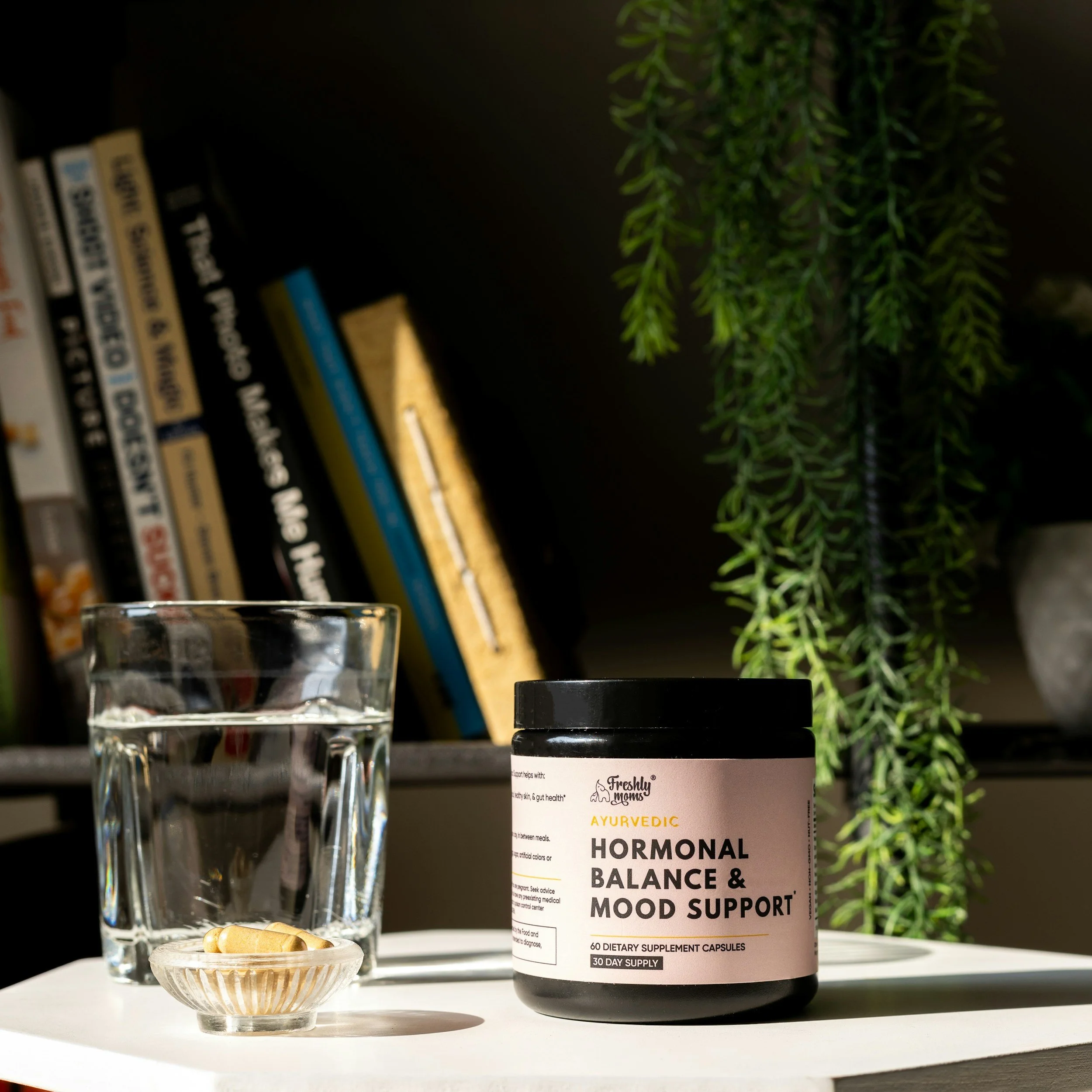
Hormones and Mood: Understanding the Connection
If you’ve ever felt like a different person the week before your period, or noticed your anxiety spike at oddly predictable times each month, you’re not imagining it. Hormones and mood are deeply connected — far more than most conversations about mental health tend to acknowledge.
How Hormones Influence the Brain
Estrogen and progesterone don’t just regulate your reproductive cycle — they directly interact with the neurotransmitters that shape mood, including serotonin and GABA. As these hormone levels rise and fall throughout the month, so does your brain chemistry. This is why the same person can feel emotionally steady one week and raw, anxious, or low the next, without anything external actually changing.
This isn’t a character flaw or a lack of emotional control. It’s biology.
When the Connection Becomes a Pattern
For some women, these hormonal mood shifts are mild. For others, they’re significant enough to disrupt daily life — this is where conditions like PMDD (premenstrual dysphoric disorder) come in, causing intense mood symptoms in the days before menstruation that resolve once it begins.
Common signs that hormones are driving your mood include:
• Mood changes that follow a predictable pattern tied to your cycle
• Irritability or anxiety that spikes in the luteal phase (the two weeks before your period)
• Symptoms that improve noticeably once your period starts
• Feeling like you “become someone else” for part of each month
Why Tracking Helps
One of the most useful steps in understanding your own hormonal patterns is simply tracking your cycle alongside your mood over a couple of months. What can feel random or overwhelming in the moment often reveals a clear, repeating pattern once you can see it written down — and that pattern becomes something you and a therapist can actually work with, rather than something that just happens to you.
This connects closely with the emotional symptoms that show up with conditions like PCOS — hormonal mental health isn’t one single experience, but a spectrum of ways your cycle and your emotional life intersect.
You Don’t Have to White-Knuckle Through It
Understanding that your mood has a hormonal component doesn’t mean you have to just tolerate it. Therapy that takes hormonal mental health seriously can help you build support around your specific patterns, rather than treating every month as an unpredictable emotional gauntlet.
Talor Hawkins specializes in hormonal mental health therapy. If your mood shifts with your cycle in ways that feel hard to manage, book a free consultation to talk about what support could look like.

I Love My Baby, So Why Am I Struggling?
This is one of the most common — and most misunderstood — postpartum experiences: loving your baby completely and still feeling like you're barely holding it together.
Love and Struggle Are Not Opposites
There's a persistent myth that if you're struggling postpartum, it must mean something is wrong with your bond to your baby. This isn't true. You can love your child fiercely and still feel exhausted, overwhelmed, anxious, or disconnected from the person you used to be. These feelings exist on different tracks — one doesn't cancel out the other.
Postpartum depression and anxiety don't diminish your love. They make it harder to feel present, capable, or like yourself while that love exists underneath everything else.
Why This Confusion Happens
Culturally, motherhood is often portrayed as instinctive and instantly fulfilling. When your actual experience includes struggle, it's easy to interpret that struggle as evidence you're failing — rather than as a sign that you need support. This gap between expectation and reality is part of what makes postpartum depression and anxiety so isolating; women often stay quiet about it out of fear that naming the struggle means admitting they don't love their baby enough.
What Struggling Can Look Like
- Feeling numb or disconnected, even while caring for your baby well
- Crying without a clear reason, or feeling like you're on the edge of tears constantly
- Anxiety that makes it hard to relax, even when your baby is safe and sleeping
- Resentment toward your partner, your body, or your new life
- A sense of having lost yourself in the transition to motherhood
- Guilt about not feeling the way you think you're "supposed to" feel
If any of this sounds familiar — including the anger and irritability sometimes described as mom rage — it doesn't mean you're a bad mother. It means you're a mother who needs more support than you're currently getting.
Getting Support Doesn't Mean Something Is Wrong With You
Postpartum depression and anxiety are common, treatable, and not a reflection of your capacity to love or parent well. Therapy can help you make sense of what you're feeling, separate the struggle from your identity as a mother, and start to feel more like yourself again — while still holding all the love you have for your baby.
Tálor Hawkins specializes in postpartum mental health therapy. If you're loving your baby and still struggling, book a free consultation to talk about what support could look like.

What Is a Surrogacy Mental Health Evaluation?
If you're beginning the surrogacy process — whether as an intended parent or a gestational surrogate — you've likely come across a required step that isn't always well explained: the mental health evaluation.
Why It's Required
Surrogacy is emotionally complex for everyone involved. Intended parents are often navigating grief, hope, and the vulnerability of relying on someone else to carry their child. Surrogates are taking on a significant physical and emotional commitment, often layered with complicated feelings about relinquishment, family boundaries, and their own identity throughout the process.
Because of this, most agencies, clinics, and legal frameworks require a mental health evaluation before moving forward. It isn't a formality — it's there to protect everyone's emotional wellbeing and to help ensure the arrangement is entered into with clear eyes and realistic expectations.
What the Evaluation Actually Involves
A surrogacy mental health evaluation typically includes:
A clinical interview exploring your motivations, expectations, and support system
Screening for any current or past mental health concerns
For surrogates, an assessment of psychological readiness for pregnancy, relinquishment, and the surrogacy relationship itself
For intended parents, an assessment of readiness, coping resources, and expectations around the process
A written report for the agency, clinic, or attorneys involved
It's a conversation, not a test to pass or fail. The goal is understanding, not gatekeeping.
Who Needs One
Nearly every party in a surrogacy arrangement — gestational surrogates, intended parents, and sometimes surrogates' partners — will go through some version of this evaluation, though requirements vary by agency, clinic, and state.
What to Expect Emotionally
Some people come into this evaluation feeling nervous, as though they're being judged or scrutinized. In reality, a well-conducted evaluation is one of the more supportive parts of the process — a space where the emotional weight of surrogacy gets acknowledged directly, rather than rushed past on the way to the medical and legal steps.
If you're specifically wondering whether you personally need one, or what the requirements look like where you live, that's worth a closer look before you get too far into the process.
Support Throughout the Journey
A single evaluation is just the starting point. Many intended parents and surrogates benefit from ongoing support throughout the pregnancy and beyond — processing the emotional highs and lows of a process that doesn't look like anyone else's path to parenthood.
Tálor Hawkins provides surrogacy mental health evaluations and ongoing support for intended parents and surrogates. If you're beginning this process, book a free consultation to learn more about what to expect.
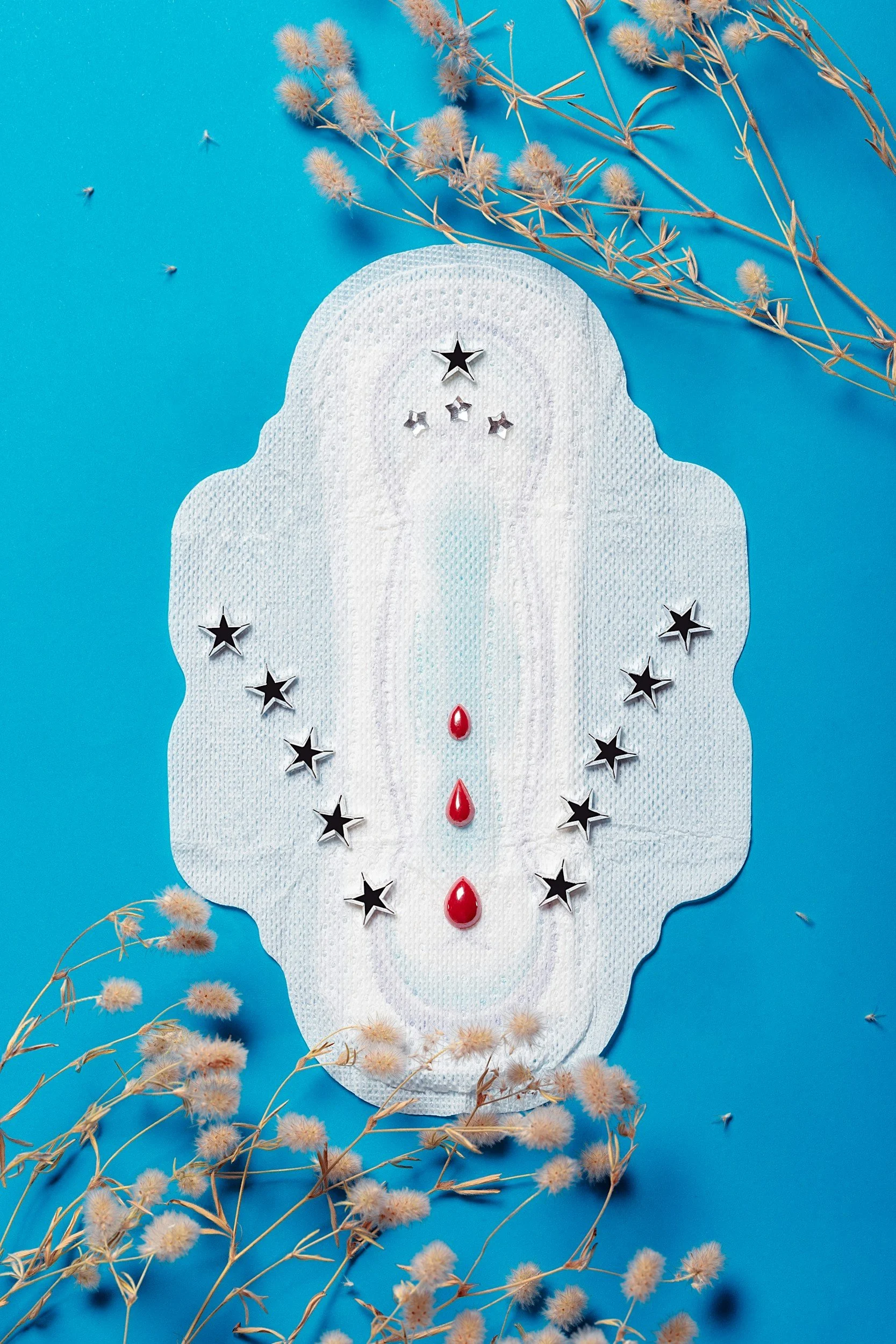
The Emotional Symptoms of PCOS
When people talk about PCOS (polycystic ovary syndrome), the conversation usually centers on periods, fertility, and physical symptoms. What gets left out, far too often, is the emotional weight it carries.
The Mental Health Side of PCOS
PCOS is a hormonal condition, and hormones don't just affect your body — they affect your brain. Women with PCOS experience higher rates of:
Anxiety and generalized worry
Depression
Mood swings that feel disconnected from anything happening around you
Body image struggles and self-esteem challenges
Frustration, grief, or anger tied to fertility concerns
These aren't a sign that you're "too sensitive" or not handling things well. They're a documented, physiological piece of what PCOS actually is.
Why This Gets Missed
PCOS is often treated purely as a reproductive or metabolic condition, which means the emotional impact frequently goes unaddressed in medical appointments. You might leave your doctor's office with a treatment plan for your cycle and no acknowledgment of the anxiety, the mood swings, or the toll it's taken on how you feel about your body.
That gap is where therapy becomes so valuable — not as a replacement for medical care, but as a complement to it.
The Body Image Piece
Many of the physical symptoms associated with PCOS — weight changes, acne, excess hair growth, hair thinning — directly affect body image and self-esteem. Living with a body that feels like it's working against you can chip away at your confidence over time, and that deserves real support, not just being told to "manage your symptoms."
How Therapy Helps
Working with a therapist who understands hormonal mental health means you don't have to explain from scratch why your anxiety spikes before your period, or why a diagnosis that's "just about hormones" has affected how you see yourself. Therapy can help you:
Understand the connection between your hormones and your mood
Build coping tools for the emotional swings tied to your cycle
Process grief or frustration related to fertility
Rebuild a more compassionate relationship with your body
If cycle-related mood shifts are a regular part of your experience, you might also find it helpful to start tracking your cycle alongside your mood — patterns often become clearer once you can see them laid out.
Your emotional symptoms are just as real, and just as worth treating, as your physical ones.
Tálor Hawkins specializes in hormonal mental health therapy. If PCOS or hormonal shifts have been affecting your mood or self-esteem, book a free consultation to talk about what support could look like.

Understanding Mom Rage
No one warns you about this one. You expected exhaustion. You expected tears. What you didn't expect was the surge of white-hot anger that comes out of nowhere — at your partner, at the dishes in the sink, at your baby's cry, at yourself for feeling this way at all.
This is often called "mom rage," and if you've experienced it, you are far from alone.
What Mom Rage Actually Is
Mom rage isn't a diagnosis — it's a symptom. It shows up as irritability, snapping, a short fuse, or sudden flashes of fury that feel disproportionate to what triggered them. For many women, it's one of the most disorienting parts of early motherhood, because it clashes so sharply with the tenderness they expected to feel.
Mom rage is often connected to:
Chronic sleep deprivation, which lowers your capacity to regulate emotion
Hormonal shifts in the weeks and months after birth
An overwhelming mental load with little relief
Unmet needs — for rest, for help, for time that's just yours
Underlying postpartum depression or anxiety, which can show up as irritability rather than sadness
Why It Feels So Shameful
Anger doesn't fit the cultural script of motherhood, so when it shows up, it often comes with a second wave of guilt on top of the anger itself. You might wonder what kind of mother gets this angry at her baby, her partner, or her life. The answer is: an exhausted, depleted, human one. Anger is a normal emotion, and it becomes more frequent and more intense under conditions of extreme depletion — which postpartum life often is.
When It's More Than Frustration
Occasional irritability is common in postpartum recovery. But if you notice:
Rage that feels out of your control
Anger that's followed by intrusive thoughts or intense guilt
Snapping at your baby or feeling frightened by your own reactions
Anger alongside sadness, anxiety, or numbness
these can be signs of postpartum depression or anxiety presenting as irritability rather than the more commonly discussed sadness. This is treatable, and naming it is the first step.
What Can Help
Therapy for postpartum mental health can help you understand what's driving the anger, build tools to regulate it in the moment, and address the underlying depletion or trauma feeding it. If your anger is tangled up with a difficult delivery or a birth experience that still feels unresolved, it's also worth exploring whether unprocessed birth trauma is part of what's underneath it — EMDR therapy can be especially effective there.
You're not a bad mother for feeling this. You're a mother who needs more support than you're currently getting — and that's something that can change.
Tálor Hawkins specializes in postpartum mental health. If mom rage, anxiety, or overwhelm has been part of your postpartum experience, book a free consultation to talk through what support could look like.

When Your Birth Didn't Go as Planned: Processing Medical Trauma After Childbirth
Not every birth story is the one a mother imagined. An emergency C-section. A provider who dismissed her pain. A delivery that spiraled into something frightening in a matter of minutes. A baby rushed to the NICU before she'd even held them.
These experiences can leave a mark long after the physical recovery is finished — and for many women, that mark looks a lot like trauma.
Why a "Normal" Recovery Can Still Feel Traumatic
Birth trauma isn't only about what happened medically. It's also about how it felt: out of control, unheard, unsafe, or alone in a moment when you needed to feel the opposite. Two women can go through the same medical event — say, an emergency C-section — and come out with very different emotional aftermaths, depending on how supported, informed, and in control they felt throughout.
Signs that a birth experience may have left lasting trauma include:
- Intrusive memories or flashbacks to the delivery
- Avoiding anything that reminds you of the birth — the hospital, certain smells, even your own birth story
- Feeling on edge, easily startled, or unable to relax around your baby
- A persistent sense that something is wrong, even once you and your baby are medically fine
- Nightmares related to the delivery
- Anger, grief, or numbness that doesn't seem to fade
If any of this sounds familiar, what you're carrying has a name — and it's treatable.
How EMDR Helps With Birth Trauma
EMDR (Eye Movement Desensitization and Reprocessing) is one of the most effective therapies for trauma, including trauma from childbirth. Rather than asking you to relive and narrate every detail of what happened, EMDR helps your brain reprocess the memory so it stops feeling like it's happening right now.
For birth trauma specifically, this often means the memory of the delivery — the fear, the chaos, the feeling of powerlessness — becomes something you can recall without your body reacting as though it's still in danger. Many women describe feeling, for the first time since giving birth, like the experience is actually in the past.
EMDR can help whether the trauma came from a medical complication, a birth that didn't go as planned, or a provider who made you feel dismissed or unsafe during one of the most vulnerable moments of your life.
Was It a Medical Error? That's a Separate Question From Healing
Sometimes birth trauma is tied to an actual medical mistake — a delayed response, a missed complication, an error in care. If you believe that happened to you, an attorney can advise you on whether you have legal options; Kennedy, Johnson, Schwab & Roberge's guide covers that side of the process in more detail.
But it's worth naming clearly: the legal question and the healing question are separate, and you don't need one resolved to begin the other. Whether or not a case ever gets filed, what you experienced emotionally is real and deserves care in its own right.
You Don't Have to Carry This Alone
If your birth left you feeling like a different person than you were before — more anxious, more on-guard, more disconnected — that's not something you have to just live with. Trauma-focused therapy, including EMDR, can help you process what happened and feel like yourself again.
Tálor Hawkins specializes in EMDR therapy for birth trauma and postpartum mental health. If your birth experience is still affecting you, book a free consultation to talk about what support could look like.

Self-Care for Women Who Carry Too MuchResponsibility
If you’re the person everyone calls first, self-care probably sounds like a joke someone tells
to people with more time than you have.
You’re the one who remembers what everyone else forgot. Who holds the schedule, the
appointments, the emotional temperature of the whole household. And the way self-care
usually gets sold — a spa day, a candle, an hour you don’t have — doesn’t just miss the
point. It adds one more thing to feel behind on.
The reality is, the problem was never that you don’t care about yourself. It’s that you’ve
been operating like your needs are the flexible ones. The ones that get moved, postponed,
quietly dropped when something else demands attention. And something else is always
demanding attention when you’re the one everyone relies on.
That’s not a character flaw. It’s what happens to anyone who’s been the responsible one for
long enough. The pattern makes sense. It’s also not sustainable.
Real self-care, for a woman carrying this much, usually isn’t a grand gesture. It’s smaller
than that. Saying no without over-explaining why. Letting a task stay undone without
treating it as a personal failure. Asking for help before you’re already at your limit, not after.
Ten unscheduled minutes that belong to no one but you. Noticing when you’re operating
from obligation instead of choice, and asking yourself whether that has to be true right now.
None of it requires more hours in your day. It requires deciding that your own capacity is not
the one resource allowed to run on empty indefinitely.
When will you choose you?
The people who depend on you don’t actually need you endlessly available. They need you
still here — steady, present, not running on fumes — in six months and in six years.
Depleting yourself in service of everyone else isn’t sustainable generosity. It’s a slow
withdrawal from a well that isn’t refilling.
Taking care of yourself isn’t the thing you do once everyone else is fine. It’s part of what
keeps everyone else fine in the first place. Including you.
Many of the women I work with genuinely don’t know what they need anymore, because
they haven’t checked in with themselves in years. That’s not something to be ashamed of.
It’s just where you are, and it’s a reasonable place to start from. Read more about what working together looks like here.
Schedule a free 15-minute consultation — a good place to
begin remembering.

Recovering After Birth: Why Your Body and Your Mind Heal on Different Timelines
This post is for general informational purposes and isn't a substitute for individualized medical, legal, or mental health advice.
The first weeks after giving birth are often described in physical terms — bleeding, soreness, incisions, exhaustion. And those things are real. Your body has just done something enormous, and it needs real time to recover, often six to eight weeks or more depending on your delivery.
But there's a second recovery happening at the same time, one that doesn't always get the same attention: your mental and emotional healing.
Two Timelines, One Body
It's easy to assume that once the physical symptoms fade — the bleeding stops, the incision closes, the soreness eases — you should feel "back to normal." But emotional recovery doesn't follow the same schedule as physical recovery. You can be fully healed on the outside and still feel anxious, foggy, disconnected, or unlike yourself on the inside. Neither timeline is wrong. They're just different, and both deserve support.
This is part of why postpartum mental health symptoms are so often missed. A six-week checkup tends to focus on physical healing — how a scar is closing, whether bleeding has stopped — while emotional symptoms like intrusive thoughts, persistent worry, or a flattened sense of joy can go unasked about entirely.
What to Watch For
Some emotional ups and downs in the first couple of weeks are expected — often called the "baby blues." But if low mood, anxiety, irritability, or a sense of disconnection lasts longer than two weeks, or feels like it's getting heavier instead of lighter, that's worth paying attention to. It doesn't mean something is wrong with you. It means your nervous system may need more support than it's currently getting.
Knowing Which Kind of Support You Need
Part of navigating postpartum recovery is knowing who to turn to for what. My role is to support your mental and emotional recovery — the anxiety, the mood shifts, the sense of not feeling like yourself. That's my scope, and it's where I can genuinely help.
But physical recovery is its own track, with its own set of questions: what's a normal amount of pain versus what's not, and whether something that happened during birth may have gone beyond normal complications into an actual error in your care.
That last question isn't something I'm positioned to answer, and nothing here is legal advice. But it's worth knowing the general signs that a symptom may be more than "just part of recovery." Warning signs like unusually heavy bleeding, a high fever, severe or worsening pain, vision changes, sudden swelling, or trouble breathing can sometimes point to a missed or delayed response from your care team rather than a normal part of healing. If any of these showed up for you and you walked away sensing that something wasn't handled right, that instinct is worth taking seriously.
If that's where you are, Kennedy, Johnson, Schwab & Roberge's guide, What to Expect After Giving Birth, walks through this in more detail — including a physical recovery timeline and guidance on when it may be appropriate to speak with a birth injury attorney. If part of your birth still doesn't sit right with you, reaching out to their team is a reasonable next step — separate from, and alongside, the emotional work we'd do together.
You Don't Have to Sort This Out Alone
Whether your recovery has felt smooth or has thrown you curveballs, you deserve support for both sides of healing — the physical and the emotional. If you're noticing that the emotional weight isn't lifting the way you expected, that's not a sign of failure. It's a sign it's time to talk to someone.
If you're in the postpartum period and finding that your mood, anxiety, or overall sense of self isn't returning to baseline, reach out. Support is available, and you don't have to wait until things feel unbearable to ask for it.
Schedule a consultation to talk through what you're experiencing — no pressure, just a conversation about what support could look like for you.

High-Functioning Anxiety in Women
From the outside, she has it together.
She shows up early. Remembers everyone’s birthday. Her house is clean, her emails are
answered, her kids are dressed and fed and on time. Nobody looking at her would guess
that underneath all of it, her chest is tight, her mind won’t stop running lists, and she hasn’t
felt fully settled in longer than she can remember.
That’s high-functioning anxiety. It’s one of the most common things I see in my practice,
and one of the hardest for women to name, because it doesn’t look like what anxiety is
supposed to look like.
The reality is, we picture anxiety as visible. Panic. Avoidance. Someone who can’t leave the
house. High-functioning anxiety doesn’t look like that. It looks like competence. It looks like
being the reliable one, the organized one, the one everyone else leans on. The anxiety gets
channeled into productivity instead of into anything anyone else can see.
Which is exactly what makes it easy to miss. If your anxiety is fueling your achievement, it’s
easy to mistake it for a personality trait — I’m just a planner, I’m just detail-oriented —
instead of recognizing it as a nervous system working overtime just to feel okay.
A running mental checklist that never fully clears, even at rest. Difficulty accepting anything
less than done perfectly, because good enough doesn’t feel safe. A body that stays tense
even when nothing is actively wrong. Trouble sitting still without guilt creeping in.
Overpreparing for things that don’t call for it. A sense that if you stop moving, something
will fall apart.
None of that is weakness. It’s a nervous system that learned, somewhere along the way, that
staying one step ahead was the only way to feel in control.
The hardest part is that it rarely gets acknowledged — by other people, and often not by the
woman living with it either. Because everything appears to be working, there’s no external
pressure to address it. But appearing fine and feeling fine are not the same thing, and the
gap between them tends to widen, not close, on its own.
Real support here isn’t about doing less. It’s about learning what your body actually feels
like at rest, not just paused between tasks. It’s about examining where the drive to hold
everything together came from, and whether it’s still serving you the way it once did.
If this is your version of anxiety, the kind nobody else can see, you don’t have to keepmanaging it alone just because you’re good at managing everything else.
Learn more about how I work with anxiety here.
Schedule a free 15-minute consultation and let’s talk
about what’s actually underneath the checklist.

Why Do I Feel Like A Different Person Before My Period?
“I don’t understand what happened to me this week. I wasn’t myself.”
I hear some version of this almost every month. And almost every time, my first question is
the same — where are you in your cycle? Nine times out of ten, the answer is the same too.
The week before her period.
The reality is, that shift is real. It’s not just that your mood changes. It’s that the change can
feel like it’s coming from someone else entirely. The patient version of you disappears. The
easygoing version of you disappears. In her place is someone more reactive, more raw, more
exhausted by things that didn’t used to touch her at all.
You’re not imagining it. You’re not too much. In the luteal phase, estrogen and progesterone
both drop, and for some women that drop hits the brain’s mood-regulating systems hard.
Your brain chemistry is genuinely different for part of the month than it is for the rest of it.
“You’re just PMSing” gets said like it explains something. It doesn’t. It just closes the
conversation. For some women this isn’t a mild dip — it’s a real, cyclical shift in mood and
energy and tolerance that deserves to be understood, not brushed off.
One of the most useful things I ask the women I work with to do is simply start tracking. Not
obsessively. Just noticing, in a general way, how they feel across the month. Most people
are stunned once they see the pattern written down. The irritability that felt random turns
out to arrive like clockwork. The days you feel most like yourself turn out to cluster in the
same phase every time.
That awareness doesn’t fix anything on its own. But it changes the relationship. Instead of
being blindsided by what’s wrong with me this week, you start to expect it. Plan around it.
Extend yourself grace before you even get there.
When will you choose to believe yourself instead of dismissing what your own body is telling
you?
For some women this monthly shift goes beyond irritability — persistent sadness, anxiety
that feels disproportionate, days that feel genuinely hard to get through. If that’s you, it’s
worth exploring whether something like PMDD is part of the picture, and what support could
actually look like.
Learn more about hormonal mental health support here.
Schedule a free 15-minute consultation — I’d like to hear
what your pattern actually looks like.

Why Do I Feel So Angry After Having A Baby?
“I love this baby more than anything. And I want to scream.”
Both of those are true at the same time, and nobody warned me that could be possible
if/when I wanted to prepare for a child of my own. Nobody warns most of the moms I sit with either. We’re told to expect the sadness, the tears, the overwhelm. Nobody tells you about the rage. The kind that shows up hot and fast
over something small — a partner asking what’s for dinner, a diaper leaking for the third
time, the baby crying the exact second you finally sit down — and then the guilt right behind
it, because how dare you feel that toward the person you’d do anything for.
The reality is, your body has never carried this kind of depletion before. Not like this.
The anger isn’t who you are. It’s the state you’re in. Sleep-deprived in a way that would be a
human rights violation anywhere else. Hormones in freefall. Touched constantly, needed
constantly, rarely asked how you’re actually doing. Your nervous system isn’t broken. It’s
overloaded. And anger is often what a nervous system reaches for when it’s been asked to
hold too much for too long without relief.
I want to be careful here, because I know how frightening it can feel to notice real anger
toward the people you love most. That fear is common. It doesn’t mean something is wrong
with you as a mother.
What I ask the women I work with to get curious about is what the anger is actually
protecting. It’s rarely about the small thing that set it off. It’s about everything underneath —
an uneven load, a lack of support, a body that hasn’t been given a real chance to heal, an
identity that got flattened the second “mom” became the only role anyone could see.
Naming it out loud, without editing it into something smaller and more acceptable. Looking
honestly at where support is actually missing, not what you’re supposed to be able to
handle. Understanding that anger and love aren’t opposites — feeling one doesn’t cancel
the other. Getting real rest, not just sleep when the baby sleeps, but recovery that isn’t also
a to-do list.
If the anger has started to scare you, or it feels bigger than you know how to hold alone,
that’s not failure. That’s a sign you deserve support built for this exact season, not generic
advice to relax. Read more about postpartum support here.
Schedule a free 15-minute consultation if you’re ready to
talk it through.
If your anger ever moves toward thoughts of harming yourself, your baby, or someone else,
please reach out immediately — call or text 988 for the Suicide & Crisis Lifeline, available 24/7.

Thirty-One: Learning to Build a Life That Honors My Body
Today, I turned 31.
Birthdays always make me reflective, but this one feels different.
As I’ve been thinking about this past year, I keep asking myself, “What have I actually learned?” And the more I sit with that question, the more I realize that every lesson seems to point me back to the same place.
My body.
If you had asked me a few years ago what healing looked like, I probably would’ve said fixing my PCOS, getting my hormones under control, feeling less anxious, or finally getting rid of the symptoms that made me feel like my body wasn’t doing what it was “supposed” to do.
But somewhere along the way, something shifted.
Instead of asking, “How do I fix my body?” I started asking, “What is my body trying to tell me?”
That question has changed everything.
It’s led me to learn more deeply about my hormones, my menstrual cycle, and my nervous system. It’s challenged me to stop viewing my body as something that needs to be controlled and start seeing her as something that deserves to be understood.
I’m realizing that my body has never been working against me.
She’s been communicating with me all along.
One of the most unexpected teachers this year has been pottery.
When I first signed up, I thought I was just trying a new hobby. I wanted something creative. Something that got me away from a screen.
I didn’t expect it to become one of the places where I feel most present.
There’s something about sitting at the wheel that quiets my mind.
When my hands are on the clay, I can’t think about my inbox, tomorrow’s schedule, or the next goal I’m trying to accomplish. The clay has a way of bringing me back to what’s happening right now.
And if I’m distracted, it lets me know.
If I’m rushing, it lets me know.
If I’m trying to force it, it lets me know.
It doesn’t respond to pressure.
It responds to presence.
The more I’ve worked with clay, the more I’ve realized that maybe my body has been asking for the same thing.
Not to be forced.
Not to constantly perform.
Not to be pushed past her capacity.
But to be listened to.
Pottery has become one of the few places where my nervous system completely exhales.
It reminds me that slowing down isn’t wasting time.
It’s making space to notice.
And honestly, I think that’s been one of the greatest gifts of this year.
Learning what my nervous system actually needs.
Not what productivity tells me I should need.
Not what hustle culture celebrates.
But what allows me to feel grounded, connected, and fully present.
Sometimes my nervous system needs rest.
Sometimes it needs creativity.
Sometimes it needs movement.
Sometimes it needs quiet.
Sometimes it simply needs permission to do one thing at a time.
As I’ve been building my therapy practice, I’ve realized this lesson applies there, too.
For so long, I believed success meant working harder, producing more, and constantly thinking about the next milestone.
Now, I’m asking different questions.
What would it look like to build a business that honors my nervous system?
What if I created from a place of regulation instead of chronic stress?
What if I trusted that slowing down could actually make me a better therapist?
A better partner.
A better friend.
A more present version of myself.
Because the truth is, I don’t want to build a beautiful business if it requires abandoning the very body that’s carrying me through it.
I don’t want a life that looks successful on the outside while my nervous system is quietly begging me to slow down.
I’m beginning to believe that healing isn’t just about understanding our hormones.
It’s about learning to build our lives around our nervous systems instead of expecting our nervous systems to constantly adapt to the lives we’ve built.
That feels like one of the biggest realizations I’ve had this year.
And maybe that’s what turning 31 means for me.
Not having everything figured out.
But trusting myself enough to keep listening.
Listening to my body.
Listening to my cycle.
Listening to my nervous system.
Listening to the quiet places where creativity lives.
Because every time I do, I become a little more myself.
So here’s to 31.
To building a life that feels good to live—not just one that looks good from the outside.
To creating without rushing.
To resting without guilt.
To honoring my body instead of fighting it.
To trusting that presence may be one of the most productive things I’ve ever learned.
To continuing to build a life, a business, and a future that my nervous system doesn’t have to recover from.
Happy Birthday to me. 🤍
And Happy Birthday to all of my fellow Cancers. 🦀 May this next year invite us to soften where we’ve been taught to harden, to trust ourselves a little more deeply, and to continue building lives that honor who we are—not just what we can produce.
Here’s to another year of growing, healing, creating, and coming home to ourselves.

Building a Relationship With Yourself Before Everyone Else
“I don’t actually know myself that well. Not the version of me that exists underneath everyone else’s needs.”
That’s a hard thing to admit, and it’s something I hear from almost every woman who sits across from me. Not “I don’t like myself” — something quieter and more unsettling than that. I don’t know what I actually want anymore. I don’t know what I need. I’ve been so busy being what everyone else needs me to be that I lost track of the relationship that was supposed to come first.
The reality is, we treat relationships with ourselves as the one that can wait. The partner gets attention. The kids get attention. The job, the friends, the family that calls when they need something — all of it gets tended to first, because it’s loud, because it’s immediate, because saying no to a person in front of you feels harder than saying no to yourself. You are always available to yourself, so you become the one thing that never gets scheduled.
I want to be honest about something. This isn’t really about bubble baths or an hour alone, even though that’s how self-care usually gets marketed. It’s about something underneath that — do you actually know what you think, separate from what everyone around you needs you to think? Do you know what you want for dinner before you ask what everyone else wants? Do you know how you feel before you check how everyone else is feeling first?
If the answer is no, or you’re not sure, that’s not a character flaw. It’s what happens when you’ve spent years being fluent in everyone else’s needs and never got the same practice with your own.
When was the last time you asked yourself what you needed, and actually waited for the answer instead of moving straight to what everyone else needed?
Building a relationship with yourself looks a lot like building any other relationship. It takes attention. It takes actually noticing — not deciding in advance what you’ll find, just noticing. It takes time that isn’t productive, time that doesn’t accomplish anything except letting you hear yourself again. It takes tolerating the discomfort of putting yourself first sometimes, even when everything in you wants to reflexively check on everyone else instead.
This isn’t selfish. I know it can feel that way, especially if you’ve spent your whole life being told the opposite. But you cannot offer people a version of you that you don’t have a relationship with yourself. Everyone around you is receiving whatever is left over from a woman who hasn’t checked in with herself in years. That’s not sustainable for you, and it’s not actually what the people who love you want either.
You are allowed to be the first relationship you invest in. Not the last one. Not the one you get to eventually, once everyone else is taken care of.
If you don’t know where to start, that’s a completely reasonable place to begin from — with someone who can help you get reacquainted with yourself instead of doing it alone. You can read more about what working together looks like here.
Schedule a free 15-minute consultation — sometimes the relationship starts with one honest conversation.

Baby Blues vs. Postpartum Depression: How to Tell the Difference
“Is this normal, or is this something more?”
I get asked some version of that question constantly in the first few weeks after a client has a baby. And it’s a fair question, because the early days of motherhood are supposed to feel a little unstable. Nobody warns you how hard it can be to tell the difference between what’s expected and what actually needs attention.
The reality is, there is a real difference. And knowing it matters.
Baby blues show up for most new mothers — some studies say up to 80 percent. Weepiness that comes out of nowhere. Mood swings. Feeling overwhelmed, anxious, a little raw. It usually starts within the first few days after birth and fades on its own within two weeks, as your hormones start to settle and your body starts to recover.
Postpartum depression is different. Not worse baby blues. A different thing entirely.
It doesn’t fade in two weeks. It can start anytime in the first year, not just right after birth. It’s heavier — persistent sadness, loss of interest in things that used to matter, feeling disconnected from your baby or from yourself, difficulty sleeping even when you have the chance, feeling hopeless or like you’re failing at something you can’t name. Sometimes it looks like numbness more than sadness. Sometimes it looks like irritability instead of tears. It doesn’t always look the way you’d expect depression to look.
Here’s what I want you to hear: if it’s been more than two weeks and it isn’t lifting, that’s information, not a failure. If it feels like it’s getting heavier instead of lighter, that’s information too. You don’t have to wait until it’s unbearable to ask for help. You don’t have to be sure it’s “bad enough” first.
So many of the mothers I sit with waited months, because they thought they were supposed to push through, because they didn’t want to seem like they couldn’t handle it, because everyone kept telling them it would pass. Some of it did pass. Some of it didn’t, and it didn’t need to go on as long as it did.
When will you let yourself ask the question instead of just wondering it alone?
If you’re not sure which one you’re in, that uncertainty is reason enough to talk to someone. You don’t need a diagnosis in hand before you reach out. Read more about postpartum support here.
Schedule a free 15-minute consultation — we can figure out what you’re actually carrying together.
If you’re having thoughts of harming yourself or your baby, please reach out immediately — call or text 988 for the Suicide & Crisis Lifeline, available 24/7.

Perimenopause and Mental Health: The Hormonal Shift Nobody Prepares You For
Nobody sat me down and told my clients this either. Perimenopause can start showing up in your late 30s or 40s, years before your period actually stops, and almost nobody tells you what it does to your mind, not just your body.
The reality is, most of the conversation around perimenopause is about hot flashes and irregular cycles. Almost none of it is about what’s happening upstairs. Anxiety that wasn’t there before. Mood swings sharper than anything you dealt with in your twenties. Brain fog that makes you doubt your own competence. Rage that shows up faster than it used to, over things that never used to touch you. Sleep that falls apart, which makes everything else fall apart with it.
I’ve had women tell me they thought they were losing their minds. They weren’t. Their hormones were doing exactly what hormones in transition do — fluctuating unpredictably, sometimes swinging harder than they did even during puberty, because this time the shift isn’t building toward something, it’s winding down, and your brain has to recalibrate to a completely different hormonal environment.
Estrogen doesn’t decline in perimenopause the way people assume. It doesn’t taper gently. It swings, sometimes wildly, for years before it settles. And estrogen has a direct relationship with serotonin, the neurotransmitter most tied to mood regulation. When estrogen is unstable, mood regulation becomes unstable right along with it. That’s not a metaphor. That’s neurochemistry.
Why does nobody talk about this part?
Because we’ve built an entire cultural conversation around perimenopause that centers what’s visible and leaves out what isn’t. Hot flashes get talked about. Rage that scares you, anxiety that wakes you up at 3am, a sense that you don’t recognize your own emotional responses anymore — that part gets carried quietly, often misdiagnosed as a mental health issue unrelated to hormones at all, or dismissed entirely.
If you’re in your late 30s or 40s and something about your mental health has shifted in a way you can’t quite explain, it’s worth asking whether perimenopause is part of the picture, even if your cycle still looks “normal” on paper. You don’t have to be in full menopause for this to be hormonal.
You are not losing your mind. Your hormones are in transition, and your mental health deserves support that actually understands that connection instead of treating it as a separate problem. Learn more about hormonal mental health support here.
Schedule a free 15-minute consultation — let’s talk about what’s actually going on underneath it.

Why You Can’t Relax Even When Nothing Is Wrong
Have you ever noticed that everything is actually okay, but your body doesn’t seem to know it?
Maybe work is going well. Your relationship feels steady. The bills are paid. Life isn’t perfect, but it’s moving in the right direction. Yet somehow, you still feel tense. Your mind keeps looking for the next thing to solve. You tell yourself, “Once I get through this, then I’ll relax.” But there always seems to be another “this.”
I work with a lot of women who experience this, and one of the first things I want them to know is this:
You’re not doing anything wrong.
Sometimes we don’t realize just how much our hormones and nervous system influence our ability to actually feel at ease.
We tend to think relaxation is a choice. Like if we just told ourselves to calm down, we’d magically feel better. But our bodies don’t always work that way.
Your body can know something your mind hasn’t caught up to—or sometimes your mind knows you’re safe, but your body is still carrying stress.
That’s why you can be lying in bed with nothing left to do, and somehow your brain is making tomorrow’s to-do list. Or you finally have a quiet moment, and instead of feeling peaceful, you feel… restless.
I wonder how many women have mistaken this for simply “being an anxious person,” when in reality their body has been asking for support all along.
Our hormones influence so much more than our menstrual cycle. They affect our mood, our sleep, our energy, our stress response, and even how safe our nervous system feels.
For some women, this becomes more noticeable before their period. Others notice it during fertility treatments, postpartum, perimenopause, or while living with conditions like PCOS or endometriosis.
Sometimes the thought isn’t, “Something bad is happening.”
Sometimes it’s simply a body that can’t seem to let its guard down.
And if you’ve lived through seasons where you had to hold everything together—whether that’s chronic stress, burnout, grief, medical challenges, or always being the strong one—your nervous system may have learned that staying alert is how you stay safe.
That doesn’t mean something is wrong with you.
It means your body adapted.
The beautiful thing about our nervous system is that it can learn something new.
It can learn what safety feels like.
Sometimes that looks like getting enough sleep. Sometimes it’s nourishing your body consistently. Sometimes it’s slowing down enough to notice where you’re carrying tension. Sometimes it’s learning your hormonal patterns instead of fighting them.
And sometimes it means allowing yourself to receive support instead of believing you have to carry everything on your own.
If you’ve been wondering why you can’t seem to relax, even when life is going well, I hope this gives you permission to become curious instead of critical.
Your body isn’t trying to make life harder.
It’s communicating with you.
The more we learn to listen to it with compassion instead of frustration, the more we create space for healing—not because we’ve forced ourselves to relax, but because our body has finally begun to believe it’s safe enough to.
You Don’t Have to Figure It Out Alone
If this resonated with you, know that you don’t have to keep navigating it by yourself.
As a therapist specializing in women’s hormonal and reproductive mental health, I help women understand the connection between their hormones, nervous system, and emotional well-being. Together, we explore what’s happening beneath the surface so you can stop feeling like you’re constantly in survival mode and begin creating a greater sense of calm and safety in your body.
Healing isn’t about “just relaxing.” It’s about understanding your body with compassion and giving it what it truly needs.
If you’re ready to take that next step, I’d love to support you.
Schedule your free 15-minute consultation today and let’s explore whether we’re a good fit to work together.